Most people begin laser hair removal for the same reason. They are tired of shaving rash, ingrown hairs, and the predictable Sunday night scramble with a razor. After a series of sessions, hair density drops and daily upkeep fades into the background. Then, months later, a few wisps return. This is where maintenance comes in, and it is the part of hair reduction that gets glossed over in the ads.
I have treated thousands of clients across different devices and skin types, and I will give you the short answer first. Yes, most people benefit from periodic maintenance sessions. The longer answer matters more, because not everyone needs the same frequency, and the right plan depends on biology, body area, and how you define success.
What laser maintenance actually means
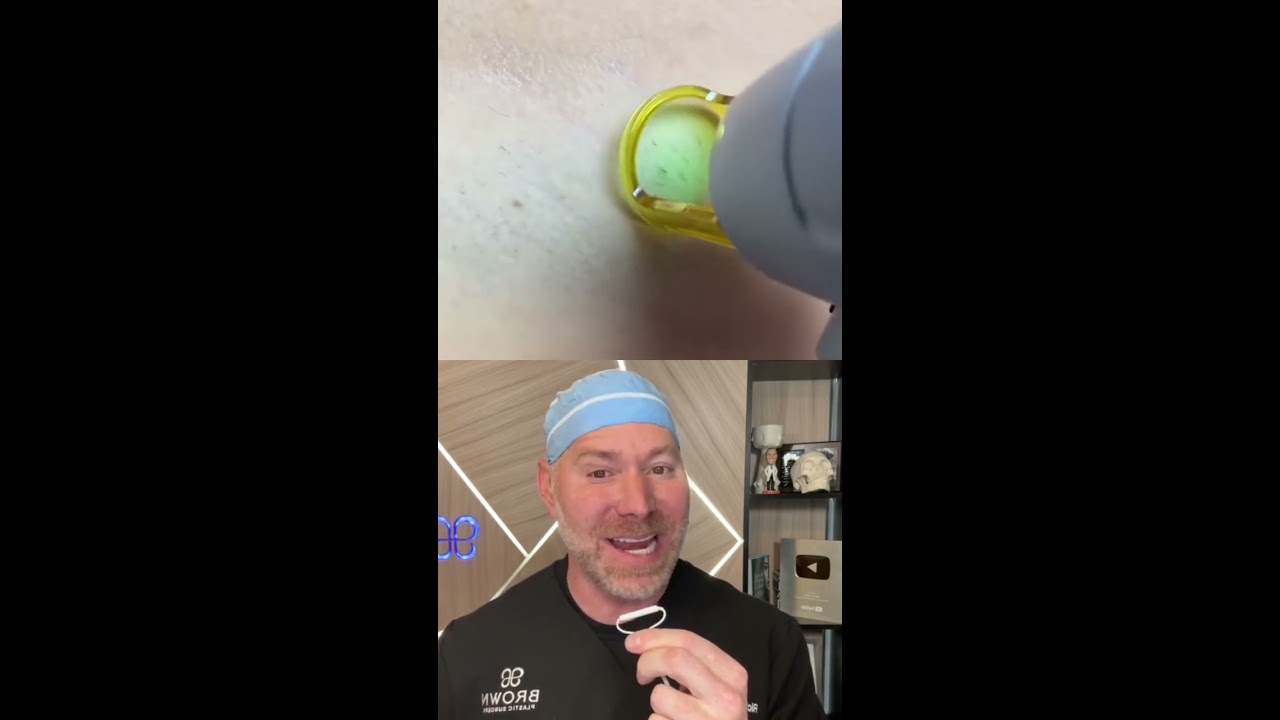
Maintenance sessions are occasional treatments done after your initial series is complete, used to keep regrowth minimal. Think of them as tune ups. A maintenance session is shorter than a first visit, targets only the hair that has cycled back into activity, and is usually scheduled every 6 to 18 months, sometimes longer for legs and forearms.
This is different from the initial course of laser hair removal treatment. The starting phase focuses on repeatedly catching follicles in the growth stage so the hair removal laser treatment can disable them. That initial series often runs 6 to 10 treatments, spaced 4 to 8 weeks apart depending on the body area and device. Maintenance is what you might do after you finish that series and enjoy months, often years, of low density.
Why hair grows back at all
Three reasons explain most regrowth.
First, hair cycles. Every follicle rotates through growth, rest, and shedding phases. Laser targets pigment in actively growing hair, when the follicle connects to the bulb. Follicles not in that phase on the day you are treated are not fully affected. You lower the odds with multiple sessions, not one.
Second, not all regrowth is true regrowth. For a long while after treatment, some follicles produce finer, lighter hair. Many clients report a dusting that is easy to forget for months. If you stop there, some of those wisps will thicken again under hormonal influence, which shows up as “new hair” a year later.
Third, hormones change. Puberty, pregnancy, postpartum shifts, PCOS, testosterone therapy, perimenopause, and certain medications can wake up follicles that were previously quiet. No laser can prevent tomorrow’s follicles from forming. It can only reduce what exists now. That is why permanent laser hair removal is better described as long term hair reduction. With solid technique, you can expect 70 to 90 percent reduction in many areas. The rest requires a light touch over time.
How device choice affects maintenance
Diode, alexandrite, and Nd:YAG lasers all perform hair reduction, but they have different strengths.
- Diode laser hair removal is the workhorse in many clinics. It balances speed and depth, works well across a range of skin types, and is common for legs, arms, back, and underarm laser hair removal. Alexandrite laser hair removal delivers fast treatment and is efficient for lighter skin tones with dark hair. It can be very fast laser hair removal for large areas like full legs, but it requires careful settings on tanned or darker skin to keep it safe. Nd:YAG laser hair removal penetrates more deeply and largely bypasses epidermal pigment, which makes it safer for dark skin types. It is somewhat less efficient per pulse than alexandrite on very light skin, so you may need an extra session or two in the initial series, but it shines for safe laser hair removal across Fitzpatrick IV to VI.
If you had an excellent response with a diode or alexandrite device on light skin, your maintenance intervals may be longer. If you are on the darker end of the spectrum using Nd:YAG at conservative settings for safety, the results are still strong, but some clients benefit from an extra touch up in the first 18 months. Device selection should be matched to your skin and hair at the consultation, not the clinic’s inventory. A good laser hair removal clinic will own or refer for the right technology rather than forcing one platform on everyone.
Body areas differ more than you think
Not all body hair behaves the same. Hair on the lower legs, forearms, and underarms tends to respond beautifully and stay quiet for a long time. Bikini hair responds well but can be hormonally sensitive, especially along the labia or scrotal edges, where density is higher and cycles are brisk. Facial hair is the most stubborn and the most tied to hormones, particularly the chin and jawline. For men, back and shoulders respond, but male pattern regrowth can continue without periodic treatment.
Here is what I see most often when the initial series is completed properly and aftercare is respected.
- Underarm laser hair removal: maintenance every 12 to 24 months, sometimes longer. Fast to treat, predictable. Leg laser hair removal: lower legs often need a light touch up every 18 to 36 months. Thighs can be similar, but density varies more from person to person. Bikini laser hair removal: every 6 to 18 months, with the widest spread in timing. A Brazilian that looks hairless at month three may have a fine fringe at month twelve. Face laser hair removal: for women with hormonal acne or PCOS, plan on maintenance every 3 to 6 months at first, then stretch to 6 to 12 months. For men doing beard shaping, expect occasional top ups along the neck or cheek lines. Back and chest laser hair removal for men: maintenance every 6 to 12 months is common in the first two years, then the frequency drops.
What counts as success, and how that changes timing
One client wants zero shaving, ever. Another wants to shave once a month. Someone else is thrilled to be ingrown free and does not mind a faint haze of hair in certain lighting. Your definition of success sets the maintenance cadence.
If you want glass skin and never to think about a razor, plan for regular touch ups, even if briefly. If you are happy with a 90 percent reduction and a quick sweep with a razor every few weeks, you may go years without a visit. Share that bar with your laser hair removal specialists during your laser hair removal consultation. It will help them design a laser hair removal treatment plan that fits your life.
Maintenance versus more sessions: how pros decide
I use three checkpoints after the initial series.
First, hair character. Is the hair that remains coarse and pigmented, or fine and faint? Coarse hair means there are still active, treatable follicles, so another one or two sessions in the initial cadence may help. Fine hair can be harder for the machine to “see,” so maintenance at longer intervals is preferable.
Second, pattern. Patchy regrowth in obvious islands suggests missed cycles, which respond well to another pass or two now. Uniform light fuzz suggests we are in maintenance territory.
Third, timing. If you see significant regrowth within 8 to 12 weeks of your final session, we might not be finished with the initial course. If nothing appears until month six or later, you are in maintenance, and your laser hair removal session can be quick and targeted.
Safety and expectations for touch ups
Maintenance does not change the core safety rules. You still need to avoid sun exposure or spray tans for two weeks, shave the area 24 hours before treatment, and skip active retinoids or strong acids on the face for several days before and after. You still want a patch test when changing devices or after a significant shift in medications or hormones. Safe laser hair removal depends on honest intake forms and careful settings at every visit, not just the first one.

Expect mild redness or perifollicular edema that fades within hours. Real blistering or pigment changes are rare when settings are matched to skin type and sun history, but they can happen if you arrive tanned or if parameters are pushed. If you have sensitive skin or a history of hyperpigmentation, ask your provider to err conservative and build up. Laser hair removal for sensitive skin and laser hair removal for dark skin require steady hands more than aggressive numbers.
Cost, packages, and whether maintenance saves money
Let’s talk numbers. Laser hair removal cost varies widely by city and body area. Underarms might be 50 to 150 dollars per session in many markets, while full body laser hair removal can be several hundred to a thousand per visit. Reputable clinics often offer laser hair removal packages for the initial series, then discounted maintenance pricing. Some now offer a laser hair removal monthly plan or subscription that includes touch ups at fixed intervals.
From a budgeting standpoint, maintenance pays for itself if it prevents the slow creep back to daily shaving or monthly waxing. Clients who skip maintenance often end up returning for a fresh mini series years later, which costs more than a single annual visit. I suggest asking during your laser hair removal consultation about maintenance rates, any laser hair removal deals for returning clients, and whether the clinic offers seasonal laser hair removal specials that you can book in advance. Affordable laser hair removal is not the same as cheap laser hair removal. You want professional laser hair removal in a clean, accredited setting with proper eye protection, informed consent, and a machine maintained on schedule.
My rule of thumb for timing
For most body areas other than the face, I tell clients to wait until they see enough hair to bother them, then give it another two weeks. If the hair density continues to climb in that window, you are ready for a maintenance treatment. If it levels off and you do not mind shaving once, leave it be and check again in a few months. On facial areas, do not delay too long if you are prone to ingrowns or hyperpigmentation from tweezing. A short, quick session at month five can spare you a breakout at month six.
Special cases that change the plan
PCOS and androgen sensitivity change the maintenance picture. Women with PCOS frequently need more face laser hair removal sessions up front, followed by steady maintenance every few months for the first year. It still works, and the reduction in ingrowns can be life changing, but expect more visits. If you begin or stop hormonal contraception, or start spironolactone or testosterone, tell your provider. The hair response often shifts within a few months.
Pregnancy is another consideration. Elective laser hair removal is generally deferred during pregnancy because of limited safety data and the possibility of pigment changes. If you become pregnant after an initial series, plan for earlier maintenance postpartum, since estrogen and progesterone swings can trigger new growth.
For men, beard shaping and neck cleanup remain popular. Laser hair removal for men around the Adam’s apple and under the jaw helps with shaving bumps, and maintenance is straightforward. Back laser hair removal and chest laser hair removal are also common. The first two years often require more vigilance, then the pattern stabilizes.
Somerville NJ laser hair removalFor clients with very light hair or gray hair, laser energy has little to target. An experienced laser hair removal center should be honest with you. You may be a better candidate for electrolysis on small areas like the upper lip or chin. If there is enough pigment to try a few laser sessions, we set expectations carefully and revisit at session three. Laser hair removal permanent results are not feasible on follicles without pigment.
What a good maintenance visit looks like
A competent laser hair removal service will begin every maintenance appointment with a brief check in. Any new medications, sun exposure, or skin changes since the last time? A look at the hair, a confirm of your last shave, then fast treatment. Underarms take a few minutes. A bikini line can be under ten. Lower legs may take 20 to 30 with a modern diode. Add a cooling gel or integrated contact cooling, and you are out the door with minimal downtime. Painless laser hair removal is a marketing phrase, but discomfort is brief and usually very tolerable, especially on maintenance when density is low.
Most clinics will schedule your laser hair removal appointment online. If you are searching for laser hair removal near me, skim the laser hair removal reviews and ratings, but also look for details that signal clinical rigor. Do they require a consultation? Do they photograph before and after for progress tracking? Do they talk about alexandrite versus Nd:YAG and when each is best? Those clues separate a professional laser hair removal med spa from a discount volume shop.
What you can do to extend results
Two habits extend the gap between sessions. First, avoid plucking or waxing during and after your series. Shaving is fine. Pulling hairs disturbs the growth cycle and makes the next pulse less effective. Second, guard against UV exposure in the treated areas, especially for lasers that depend on pigment contrast. Consistent sunscreen use will let your provider use effective settings safely.
If you are prone to ingrowns, especially in the bikini area, gentle lactic or glycolic acid a couple times per week helps keep follicles clear. On the face, pause retinoids a few days before and after each visit, then resume. Good laser hair removal aftercare is simple, but it matters.
A day in the clinic: two clients, two plans
Consider Ava, 31, with dark hair and Fitzpatrick II skin. She finished eight sessions of underarm and bikini at a top rated laser hair removal clinic using a diode platform. At month nine, she had a faint outline along the bikini crease and a few underarm sprouts. We did a short maintenance session. She returned 14 months later for another light pass, and that has been enough to keep her razor in the drawer.
Now meet Daniel, 38, Fitzpatrick V, doing back and shoulders with an Nd:YAG at conservative fluence to keep it safe. He had ten sessions in the initial course. At month seven, density on the shoulders started to creep, and we scheduled maintenance twice in year one, then yearly after. He is thrilled to wear fitted shirts without the sandpaper feel. Different skin, device, and hair patterns, both excellent outcomes with tailored maintenance.
Maintenance and the economics of time
There is cost, and then there is time. For leg hair, the math compares cleanly. A lower leg shave might take 6 minutes and last 2 days. Over a year, that is 18 hours of micro chores, not counting razor bumps after a beach trip. A maintenance leg appointment might take 30 minutes once every 18 months, with smooth mornings in between. If you travel frequently or juggle childcare, the calendar relief alone justifies a periodic visit.
How maintenance interacts with other treatments
Clients often ask whether they can combine laser with other skin treatments. You can, if you consider timing. Separate intense pulsed light, radiofrequency microneedling, chemical peels, and fractional lasers from hair removal by at least a couple of weeks on the same area. If you are doing a face laser hair removal session, reschedule dermaplaning or a strong peel for later. Share your aesthetic plan with your laser hair removal experts. A coordinated calendar avoids irritation and lets you benefit fully from each procedure.
When you might not need maintenance at all
It happens. Calves treated on a pale client with dense black hair can stay clear for years. Forearms respond so well on some people that they never see enough return to justify a revisit. If you are lucky in that way, enjoy it. Keep your photos so you can compare honestly if you think hair is creeping back later. The goal of advanced laser hair removal is not to sell endless sessions. It is to get you to a happy low maintenance state and keep you there with the least effort.
Choosing a clinic with maintenance in mind
You want a partner, not just a one and done provider. A solid laser hair removal clinic will do a measured intake, set expectations around laser hair removal frequency, document laser hair removal results with before and after photos, and welcome check ins. If you are new and searching for a laser hair removal clinic near me, call and ask simple questions. Which devices do you use for different skin types? How do you structure laser hair removal package deals and maintenance pricing? What is your policy on touch ups between sessions? Do you advise on laser hair removal preparation and aftercare in writing?
Reassuring signs include a calm pace, a clean room, protective eyewear for everyone in the room, and staff who can discuss diode versus alexandrite versus Nd:YAG without guessing. Red flags include rushed explanations, pressure for a prepaid bundle without a patch test, and big promises of permanent laser hair removal without nuance.
A compact guide to whether you need maintenance
- You finished an initial series and see enough regrowth to shave more than once or twice a month. Facial hair returns faster than body hair, especially with hormonal influences. Your skin and hair responded well, but a few coarse patches remain that bother you in certain clothing or lighting. You have started or changed hormones or medications that affect hair growth. You want to preserve ingrown free, low irritation skin in areas that used to be trouble spots.
Planning your next steps
- Book a brief laser hair removal consultation, even if you are an established client, to recheck settings and sun history. Shave the area 24 hours before your laser hair removal appointment, avoid waxing or tweezing, and pause self tanner. Space other strong skin treatments at least two weeks from your hair removal date on the same area. Ask the clinic for your previous fluence, pulse width, and device notes so maintenance can match what worked. Put a reminder in your calendar at 6, 12, and 18 months to reassess whether you need a touch up.
The bottom line, without hype
Laser hair reduction is durable, but it is not a one time event for most people. A few brief touch ups keep results crisp, especially on hormonally active areas like the face and bikini. Choose a provider who treats maintenance as part of the plan. Ask about technology, pricing, and safety. Respect the prep, wear sunscreen, and be honest about your goals. Do that, and your maintenance calendar will be light, your skin will stay calm, and the time you used to spend managing hair will belong to you again.
If you are still deciding where to go, look beyond price and location. The best laser hair removal is professional, consistent, and matched to your skin. Whether you are after underarm freedom, smooth legs for a marathon, or a defined beard line, an experienced clinic, a sensible plan, and occasional maintenance will get you there and keep you there.